
Monday, 19 December 2016

Sunday, 18 December 2016
Friday, 16 December 2016
Thursday, 15 December 2016
Analysis of a Title Sequence
Title
Sequence analysis - American Horror Story Asylum
The title is sequence shows that this TV show is a twisted
and mysterious, horror genre. The viewer is able to tell this as the majority
of the sequence is dark with little colour being shown throughout and if so it’s
of a darkened red colour connoting blood and death. One way of connoting this
mysterious is that many of the people lurking in the title sequence are
silhouetted out with dim lighting making it harder for them to be viewed and
then creating an extra level of eeriness. This also hides a lot of detail as
many thing being moved are also silhouetted allowing the viewer to have to
think what is going on with many limb like shapes being dragged or carted away,
asking the viewer, “Are those Limbs?”. I get the Impression that this film is
about a murder or cover-up of a mass serial killings, I get this impression due
to the number of shots which feature what looks like blood splatters and limbs
or dead bodies being carted around the ‘Asylum’. The
Title sequence also give the impression of a horrific accident and this sets a
mood for the area and sets it for throughout the series.

There
are many uses of pure white biblical like figures, that have no damage on them
whatsoever, this suggests that there is a hint of something that the asylum
people pray to almost like a cult. This would also explain the upkeep of the
statue whilst also performing unholy deed such as cutting or what can be
interpreted as killing. The title also uses the movement of dark figures to
suggest hidden secrets allowing the reader to interpret this has something.
Making it already subconsciously effecting the viewer before the program has
begun.

Through the title sequence the viewer can see a contrast of things happening with religious like figures being shown directly before some form of surgery about to go ahead suggesting some form of science Vs. religion view on this asylum. This really has the ability to retain the audience as it confuses them with what is right and wrong questioning their true moral beliefs, which sets down strong foundations for a psychological horror.

The picture to the right shows what seems to be a deformed
figure clambering up a stairway. The image is in a poor lighting, to fit with
the theme, but uses white to highlight and contrast the movement. This draws in
the viewer also making them ask questions such as: ‘Who is that?’ or ‘What’s
wrong with them?’ setting a away for them to be answered or left a mystery by
the show.
The sound used in the opening sequence features unusual static-like
sounds accompanied by an actor’s name. This helps to invoke a feeling of unusual
and strangeness into the opening sequence. The sound also features infrared
sounds that cannot be heard but help invoke a physical feeling such a terror
and fear. A lot of the sound is also digitalised and is repeated throughout the
time actor names appear. Other noises that are heard are distorted and could
connote muffled screams of pain of despair possibly foreshadowing the events
about to occur.
The audience is retained by this thinking that
it will keep happening until something happens it is a good way to make
something seem important to a story using types of sound and edits to fit that.
Saturday, 3 December 2016
Films similar to ours
Jacob's Ladder
 Jacob's Ladder is an American psychological horror that was released November 2nd 1990.It was directed by Adrian Lyne, written and produced by Bruce Joel Rubin and stars Tim Robbins and Danny Aiello. Jacob's ladder is based on Jason, a Vietnam veteran, who begins to experience vivid flashbacks and hallucinations due to the events of the war.Jacob is also mourning his son, Gabe, that passed away before Jacob left to go fight in the war.On October the 6th 1971, the village where Jacob was stationed came under attack.He flees into the jungle and wakes up 4 years later in 1975 in a subway in New York City.From then on he begins having disturbing nightmares.
The Others
 The Others is a Spanish-American supernatural Gothic horror film with some elements of psychological horror.It was released August the 10th 2001 and was written and directed by Alejandro Amenábar and stars Nicole Kidman and Christopher Eccleston. The film is based on a family that live in a old remote country house in Jersey, there is Grace Stewart (Nicole Kidman) and her two children that are photosensitive.Their lifestyles are based around rules to protect the two children from sunlight however, these rules are broken after the arrival of three servants.
The Uninvited
 The Uninvited is an American Psychological Horror film released the 30th of January 2009 in the USA.The film is a remake of a 2003 South Korean horror film titled A Tale of Two Sisters. It is directed by The Guard Brothers and stars Emily Browning and Elizabeth Banks.The Uninvited is based on a young teenage girl Anna who is mourning her terminally ill mother who passed away due to a fire.Anna tries to commit suicide and is later sent to a mental institution to receive treatment and get better.She is discharged ten months later and taken back home to an isolated mansion whilst also finding out her father has remarried.Anna starts to believe she is being haunted and attacked by ghosts and also believes that her stepmother killed her mum.
 Jacob's Ladder is an American psychological horror that was released November 2nd 1990.It was directed by Adrian Lyne, written and produced by Bruce Joel Rubin and stars Tim Robbins and Danny Aiello. Jacob's ladder is based on Jason, a Vietnam veteran, who begins to experience vivid flashbacks and hallucinations due to the events of the war.Jacob is also mourning his son, Gabe, that passed away before Jacob left to go fight in the war.On October the 6th 1971, the village where Jacob was stationed came under attack.He flees into the jungle and wakes up 4 years later in 1975 in a subway in New York City.From then on he begins having disturbing nightmares.
The Others
 The Others is a Spanish-American supernatural Gothic horror film with some elements of psychological horror.It was released August the 10th 2001 and was written and directed by Alejandro Amenábar and stars Nicole Kidman and Christopher Eccleston. The film is based on a family that live in a old remote country house in Jersey, there is Grace Stewart (Nicole Kidman) and her two children that are photosensitive.Their lifestyles are based around rules to protect the two children from sunlight however, these rules are broken after the arrival of three servants.
The Uninvited
 The Uninvited is an American Psychological Horror film released the 30th of January 2009 in the USA.The film is a remake of a 2003 South Korean horror film titled A Tale of Two Sisters. It is directed by The Guard Brothers and stars Emily Browning and Elizabeth Banks.The Uninvited is based on a young teenage girl Anna who is mourning her terminally ill mother who passed away due to a fire.Anna tries to commit suicide and is later sent to a mental institution to receive treatment and get better.She is discharged ten months later and taken back home to an isolated mansion whilst also finding out her father has remarried.Anna starts to believe she is being haunted and attacked by ghosts and also believes that her stepmother killed her mum.
The History of Horror Films
The aim of horror films is to scare people whilst also making the audience feel a state of fear and terror. This genre of film has existed for more than a century and can be presented in a number of ways such as magazines,TV shows,films and books.The first ever horror film made was only 2 minutes long and was made by a French film maker.It was named Le Manoir Du Diable (aka The Devils Castle).
Sub-genres of Horror
- Horror drama
- Psychological horror
- Zombie horror
- Supernatural horror
1910-1929
In 1910,the first Frankenstein was produced by Edison Studios.It was slightly longer than the previous short films made, but Frankenstein was different. The film showcased a range of different camera angles and shots and editing.It was 16 minutes long and was a silent film.This short film was seen as an inspiration to other film

Throughout this time period,many European countries contributed to this genre.For example,the first ever vampire-themed film was made by German film maker F. W. Murnau. It was name Nosferatu and was released the 4th of March 1922 in Germany.This film was 94 minutes long and was also a silent movie.
1930-1949
During this time period,people picked up film making and it was becoming fast paced.Due to this remakes of other films were made these included 'Dracula' by Tod Browning and 'Frankenstein' by James Whale.These two remakes were a big step in the horror genre as both films has trailers.This had never been done before.

1932 was a big year for the horror genre,the first ever horror film is colour was released.This was big for horror films but also the movie industry.The film was called Doctor X and was distributed by Warner Bros.
1950-1969
There were many advances in technology during the 1950's. Due to this special effects were being introduced into horror films.This was a big development as films were limited before to the special effects they could add in.However during this time period horror films were downgraded to a lower status meaning that big Hollywood companies were not investing money into making horror films they were investing their money to make big blockbusters.
 On the 1st of October 1968, one of the most influential horror films was released. The 'Night of the Living Dead' cost $114,000 and took 6 months to produce.It contained good performances from its actors, make-up and special effects.
1970-1989
 During this era of horror films,some of the biggest and best horror films were made.Some of these films still scare people to this day with their intriguing story lines. The Exorcist has been voted the scariest film of all time,this film had incredible lighting,camera work,sound and editing.In the UK the film was banned until 1999 because the BFI thought the film was too much for people to watch.
Leading into the 80's,new technology was created to make films even more immersive due to the higher quality graphics. This technology allowed films such as The Shining, Nightmare on Elm Street and Hellraiser to be made.
1990's
 By this period of time digital technology was dominating the film industry especially horror films. This meant that films could be made in a much higher definition to previous years for a much lower price. However, the monster type horror films had grown outdated and audiences were no longer scared by zombies or vampires, a new type of monster had swept across the horror genre and this was psychopaths. Therefore creating a new sub-genre of horror, psychological horror. These types of films had twisted storylines with brutal murders some of these films include Psycho (1998) and Raising Cain (1992).
2000- Present
 A new sub-genre of horror films was introduced during this era, teen horror, or it is also know as slasher horror.These types of films are based around teens/young adults and throughout the film each character is killed in a different way. One of the most popular films for this sub-genre is Final Destination. It is an American franchise composed of five different films. Each one of the films has a different theme to it, for example the first film was based around a plane and how it crashed. The final film from the franchise (Final Destination 5) was released in 2011.
From 2010 onward, remakes remained extremely popular as well as found footage style films such as Unfriended (2014) and the Paranormal Activity franchise (2007-2015)
Thursday, 1 December 2016
Research: Horror Genre
Our group has chosen to do a The horror genre this is some research about the horror genre
The horror genre is a fictional genre that has the ability to frighten, scare, disgust or startle the viewers of it . It is made to induce feelings of terror and stimulate a persons fight or flight experience.
Horror is a strange genre as many people who like to watch them are intrigued by the adrenaline feeling you get after watching the film, its almost 'a rite of passage' with people assuming that if they watch it they have conquered their fears. It is a very strange genre to understand why people enjoy them.
1920's - 1930's
The 20's and 30's were the first major time that films were shown to sca
 re audiences. This time period saw many re-makes of classic books and novels such as Bram Stokers Dracula. However many other films were made such as Nosferatu, Frankenstein, and The Mummy.
The films during this time period were made to explore older more popular novels and extend them to the film industry.
1940's
 During this time many film genres saw a steep decline mainly due to world war two taking place. The cinema was not really used for film and was changed for people to start viewing news on the war effort and keep spirits high. Many people were not interested in horror especially when during the time of war anything seemed real.
However the industry continued and saw many 'classics' come out during this decade such as Wolf Man and the house of Dracula
1950's
 With the war finished, many people returned to the calm before the war and returned to luxuries of a normal life such as cinema, however rather than the gothic horror many films drew the consequences of the atomic bombs dropped and explored on personal fears thus creating films such as Godzilla, Beast from 20,000 fathoms and attack of the 50 Foot Woman. Many films around the 40's and 50's explored on the supernatural almost creating a sub genre to the horror idea and creating terrifying monsters out of a situation.
1960's
 The 60's brought a new aspect to the horror genre that opened many doors to allow for newer younger producers to come forward and create ideas. This lead to the bloom of Alfred Hitchcock and his critically acclaimed film Psycho. These were very different as the film would be explored by the director before the actual film this would create a sense of calm and the thrill of horror when something would happen, this would really create a sense of emersion as the director would be there talking to you at a personal level.
1970's
This decade saw a huge spike in the horror genre with a large surge of horror type films coming out into production. This was due to many films reflecting of depressing/dark times and the 70's were seen to be a much more depressing compared to the 60's due to
 many strikes and problems with politics and strikes around that era. In Britain especially with the miner strikes, closing of the mines and IRA bombings, this paired with many changes during this decade such as rapid fashion changes and many social economic classes changing around this time such as better wages this was seen as a development into modern society and the film industry managed to capture the horrors of this as many people wanted to know the worst of what could happen. During this time many films such as Jaws, The exorcist and Texas chainsaw massacre were released. The human race felt that this all could happen on there travels and the threat to horror was felt to be much more real.
1980's
 The 80's brought more aspects to the horror movie genre this also helped to adapt the genre and create subgenres such as psychological such as Nightmare On Elm Street and Hellraiser. This was helped by new technologies allowing for better costumes and better graphics. This also allowed for gory horror to be created without it seeming cheesy or slightly comedic such as The prowler which is also a slasher type horror too. This was also the year that lead to the development of Sci-fi horror such as the classic alien which included CGI, graphic horror.
1990's-2000's
 This was the start of the movement of meta fictional horror and the movement to self reflective horror. This then lad to urban horror such as serial killers on streets, However this was a sort of step back in the 90's as the horror genre was worn out and with the proliferation of 80's slashers and gore the horror industry was loosing effects as younger generations saw it as a social norm. However better computer generated imagery allowed for better quality and more imaginative films to be born such as Silence of the Lambs and candy man. This birth was lead by the cliché of vampire and zombie films becoming no longer 'scary' thus wanting a new craze that were psychopaths.
 This added more believable twists to films and killings happening on ordinary people.
The 2000's then lead to the birth of teen horror which were more romantic horrors which were closely linked to slasher films. Some were also based on fate such as the critically acclaimed Final destination films. This appealed to younger audiences as they needed a sense for realism.
2005+
During this time have seen the development of graphics and the addition of better production practices thats has allowed for the horror genre to improve graphically and storyline wise. This area of time has seen many steps into the teen horror genre aswell as more super natural horrors such as the changeling, and other teen horrors such as the twilight series.
The horror genre is a fictional genre that has the ability to frighten, scare, disgust or startle the viewers of it . It is made to induce feelings of terror and stimulate a persons fight or flight experience.
Horror is a strange genre as many people who like to watch them are intrigued by the adrenaline feeling you get after watching the film, its almost 'a rite of passage' with people assuming that if they watch it they have conquered their fears. It is a very strange genre to understand why people enjoy them.
1920's - 1930's
The 20's and 30's were the first major time that films were shown to sca
 re audiences. This time period saw many re-makes of classic books and novels such as Bram Stokers Dracula. However many other films were made such as Nosferatu, Frankenstein, and The Mummy.
The films during this time period were made to explore older more popular novels and extend them to the film industry.
1940's
 During this time many film genres saw a steep decline mainly due to world war two taking place. The cinema was not really used for film and was changed for people to start viewing news on the war effort and keep spirits high. Many people were not interested in horror especially when during the time of war anything seemed real.
However the industry continued and saw many 'classics' come out during this decade such as Wolf Man and the house of Dracula
1950's

 With the war finished, many people returned to the calm before the war and returned to luxuries of a normal life such as cinema, however rather than the gothic horror many films drew the consequences of the atomic bombs dropped and explored on personal fears thus creating films such as Godzilla, Beast from 20,000 fathoms and attack of the 50 Foot Woman. Many films around the 40's and 50's explored on the supernatural almost creating a sub genre to the horror idea and creating terrifying monsters out of a situation.
1960's
 The 60's brought a new aspect to the horror genre that opened many doors to allow for newer younger producers to come forward and create ideas. This lead to the bloom of Alfred Hitchcock and his critically acclaimed film Psycho. These were very different as the film would be explored by the director before the actual film this would create a sense of calm and the thrill of horror when something would happen, this would really create a sense of emersion as the director would be there talking to you at a personal level.
 1970's
This decade saw a huge spike in the horror genre with a large surge of horror type films coming out into production. This was due to many films reflecting of depressing/dark times and the 70's were seen to be a much more depressing compared to the 60's due to
 many strikes and problems with politics and strikes around that era. In Britain especially with the miner strikes, closing of the mines and IRA bombings, this paired with many changes during this decade such as rapid fashion changes and many social economic classes changing around this time such as better wages this was seen as a development into modern society and the film industry managed to capture the horrors of this as many people wanted to know the worst of what could happen. During this time many films such as Jaws, The exorcist and Texas chainsaw massacre were released. The human race felt that this all could happen on there travels and the threat to horror was felt to be much more real.
1980's
 The 80's brought more aspects to the horror movie genre this also helped to adapt the genre and create subgenres such as psychological such as Nightmare On Elm Street and Hellraiser. This was helped by new technologies allowing for better costumes and better graphics. This also allowed for gory horror to be created without it seeming cheesy or slightly comedic such as The prowler which is also a slasher type horror too. This was also the year that lead to the development of Sci-fi horror such as the classic alien which included CGI, graphic horror.
1990's-2000's
 This was the start of the movement of meta fictional horror and the movement to self reflective horror. This then lad to urban horror such as serial killers on streets, However this was a sort of step back in the 90's as the horror genre was worn out and with the proliferation of 80's slashers and gore the horror industry was loosing effects as younger generations saw it as a social norm. However better computer generated imagery allowed for better quality and more imaginative films to be born such as Silence of the Lambs and candy man. This birth was lead by the cliché of vampire and zombie films becoming no longer 'scary' thus wanting a new craze that were psychopaths.
 This added more believable twists to films and killings happening on ordinary people.
 The 2000's then lead to the birth of teen horror which were more romantic horrors which were closely linked to slasher films. Some were also based on fate such as the critically acclaimed Final destination films. This appealed to younger audiences as they needed a sense for realism.
2005+
During this time have seen the development of graphics and the addition of better production practices thats has allowed for the horror genre to improve graphically and storyline wise. This area of time has seen many steps into the teen horror genre aswell as more super natural horrors such as the changeling, and other teen horrors such as the twilight series.
History in Horror
History in Horror
Horror film is a film genre that seeks to elicit a negative emotional reaction from viewers by playing on their fears.This is a brief history of Horror throughout the years.
1890-1900s
 The first depictions of supunatural events appear in several of the silent shorts shorts created by the film pioneer, Georges Meilies, in the late 1890s the best known being Le Manoir du Diable, which is sometimes credited as beign the first horror film. Another of his projects was 1898. The era featured a slew of literary adaptations, with the works of Poe and Dante, among others. In 1908, Selig Polyscope Company produced Dr. Jekyll and Mr. Hyde.
1910s-1920s
In 1910, Edison Studios produced the first filmed version of Frankenstein. The macabre nature of the source materials used, made the films synonymous with the horror film genre. Other European countries also contributed to the genre during this period. Though the word "horror" to describe the film genre would not be used until the 1930s (when Universal Pictures released their initial monster films), earlier American productions often relied on horror themes.
1930s-1940s
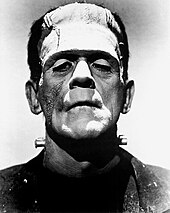
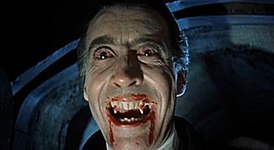
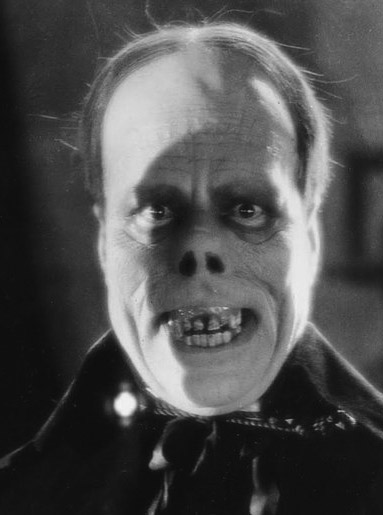 During the early period of talking pictures, Universal Pictures began a successful Gothic horror film series. Tod Browning's Dracula (1931) was quickly followed by James Whale's Frankenstein (1931) and The Old Dark House (1932), both featuring monstrous mute antagonists.
1950s-1960s
With advances in technology, the tone of horror films shifted from the Gothic towards contemporary concerns. Two subgenres began to emerge: the Doomsday film and the Demonic film.Low-budget productions featured humanity overcoming threats such as alien invasions and deadly mutations to people, plants, and insects. During the later 1950s, Great Britain emerged, as a major producer of horror. In the late 1950s many films were Dracula and Frankenstein remakes.
1970s-1980s
 The financial successes of the low-budget gore films of the ensuing years, and the critical and popular success of Rosemary's Baby, led to the release of more films with occult themes during the 1970s. The Exorcist
(1973), the first of these movies, was a significant commercial
success, and was followed by scores of horror films in which a demon
entity is represented as the supernatural evil, often by impregnating
women or possessing children. Also in the 1970s, the works of the horror author Stephen King began to be adapted for the screen, beginning with Brian De Palma's adaptation of Carrie (1976).
The financial successes of the low-budget gore films of the ensuing years, and the critical and popular success of Rosemary's Baby, led to the release of more films with occult themes during the 1970s. The Exorcist
(1973), the first of these movies, was a significant commercial
success, and was followed by scores of horror films in which a demon
entity is represented as the supernatural evil, often by impregnating
women or possessing children. Also in the 1970s, the works of the horror author Stephen King began to be adapted for the screen, beginning with Brian De Palma's adaptation of Carrie (1976).
1990s
In the first half of the 1990s, the genre continued many of the themes from the 1980s. The slasher films A Nightmare on Elm Street, Friday the 13th, Halloween and Child's Play all saw sequels in the 1990s, most of which met with varied amounts of success at the box office. Two main problems pushed horror backward during this period: firstly, the horror genre wore itself out with the proliferation of nonstop slasher and gore films in the eighties. o re-connect with its audience, horror became more self-mockingly ironic and outright parodic, especially in the latter half of the 1990s.
2000s
The start of the 2000s saw quiet period for the genre. Films such as Hollow Man, Orphan, Wrong Turn, Cabin Fever, House of 1000 Corpses, and the previous mentions helped bring the genre back to Restricted ratings in theaters. There has also been a major return to the zombie genre in horror movies made after 2000. Resident Evil video game franchise was adapted into a film released in March 2002. A larger trend is a return to the extreme, graphic violence that characterized much of the type of low-budget, exploitation horror from the post-Vietnam years. Films such as Audition (1999), Wrong Turn (2003), and the Australian film Wolf Creek (2005).
2010s
Remakes remain popular and serialized, found footage style web videos featuring Slender Man became popular on YouTube in the beginning of the decade. Such series included TribeTwelve, EverymanHybrid and Marble Hornets, the latter of which has been adapted into an upcoming feature film. Horror also became prominent on telivison with shows such as The Walking Dead, American Horror Story and The Strain.
Horror film is a film genre that seeks to elicit a negative emotional reaction from viewers by playing on their fears.This is a brief history of Horror throughout the years.
1890-1900s
The first depictions of supunatural events appear in several of the silent shorts shorts created by the film pioneer, Georges Meilies, in the late 1890s the best known being Le Manoir du Diable, which is sometimes credited as beign the first horror film. Another of his projects was 1898. The era featured a slew of literary adaptations, with the works of Poe and Dante, among others. In 1908, Selig Polyscope Company produced Dr. Jekyll and Mr. Hyde.1910s-1920s
In 1910, Edison Studios produced the first filmed version of Frankenstein. The macabre nature of the source materials used, made the films synonymous with the horror film genre. Other European countries also contributed to the genre during this period. Though the word "horror" to describe the film genre would not be used until the 1930s (when Universal Pictures released their initial monster films), earlier American productions often relied on horror themes.
1930s-1940s
During the early period of talking pictures, Universal Pictures began a successful Gothic horror film series. Tod Browning's Dracula (1931) was quickly followed by James Whale's Frankenstein (1931) and The Old Dark House (1932), both featuring monstrous mute antagonists.1950s-1960s
With advances in technology, the tone of horror films shifted from the Gothic towards contemporary concerns. Two subgenres began to emerge: the Doomsday film and the Demonic film.Low-budget productions featured humanity overcoming threats such as alien invasions and deadly mutations to people, plants, and insects. During the later 1950s, Great Britain emerged, as a major producer of horror. In the late 1950s many films were Dracula and Frankenstein remakes.
1970s-1980s
The financial successes of the low-budget gore films of the ensuing years, and the critical and popular success of Rosemary's Baby, led to the release of more films with occult themes during the 1970s. The Exorcist
(1973), the first of these movies, was a significant commercial
success, and was followed by scores of horror films in which a demon
entity is represented as the supernatural evil, often by impregnating
women or possessing children. Also in the 1970s, the works of the horror author Stephen King began to be adapted for the screen, beginning with Brian De Palma's adaptation of Carrie (1976).1990s
In the first half of the 1990s, the genre continued many of the themes from the 1980s. The slasher films A Nightmare on Elm Street, Friday the 13th, Halloween and Child's Play all saw sequels in the 1990s, most of which met with varied amounts of success at the box office. Two main problems pushed horror backward during this period: firstly, the horror genre wore itself out with the proliferation of nonstop slasher and gore films in the eighties. o re-connect with its audience, horror became more self-mockingly ironic and outright parodic, especially in the latter half of the 1990s.
2000s
The start of the 2000s saw quiet period for the genre. Films such as Hollow Man, Orphan, Wrong Turn, Cabin Fever, House of 1000 Corpses, and the previous mentions helped bring the genre back to Restricted ratings in theaters. There has also been a major return to the zombie genre in horror movies made after 2000. Resident Evil video game franchise was adapted into a film released in March 2002. A larger trend is a return to the extreme, graphic violence that characterized much of the type of low-budget, exploitation horror from the post-Vietnam years. Films such as Audition (1999), Wrong Turn (2003), and the Australian film Wolf Creek (2005).
2010s
Remakes remain popular and serialized, found footage style web videos featuring Slender Man became popular on YouTube in the beginning of the decade. Such series included TribeTwelve, EverymanHybrid and Marble Hornets, the latter of which has been adapted into an upcoming feature film. Horror also became prominent on telivison with shows such as The Walking Dead, American Horror Story and The Strain.
Subscribe to:
Comments (Atom)