
Tuesday, 31 January 2017

Thursday, 26 January 2017


Character Profile
Character Profile
Full name: Lucy smith
 Alias/Nickname: N/A
Gender: Female
Age: 18
Ethnicity: English
Birthplace: Barnsley
Appearance: Small and casual appearance with tied up hair
Full name: Lucy smith
 Alias/Nickname: N/A
 Gender: Female
Age: 18
Ethnicity: English
Birthplace: Barnsley
Appearance: Small and casual appearance with tied up hair
- Eye colour: Blue
- Hair colour: Brown
- Height & Build: Small build
- Clothing/Style: Casual style
- Character Function: Main protagonist but is more of a rogue like character. Struggles with her mental illness
- Character Objective: The narrative follows her throughout as she struggles with her mental illness and tries to escape from her stalker which is actaully her hallucinations and struggles to have the will to live anymore.
- Characters Personality: Dillusional, paranoid, pyschotic
- Background History: She hides her illness from others and is a recluse as she tries to hide it. When she was young her mother and father died in a car crash and she was injured but recovered after. She was put into foster care as none of her other family memebers wanted her. This helped her mental illness develop, as throughout her life she suffered from the same images of her parents. She is now a recluse and hides from human contact.
Wednesday, 25 January 2017


Tuesday, 24 January 2017
Story-lines and characters in Psychological horror
Story lines and characters in physiological horror
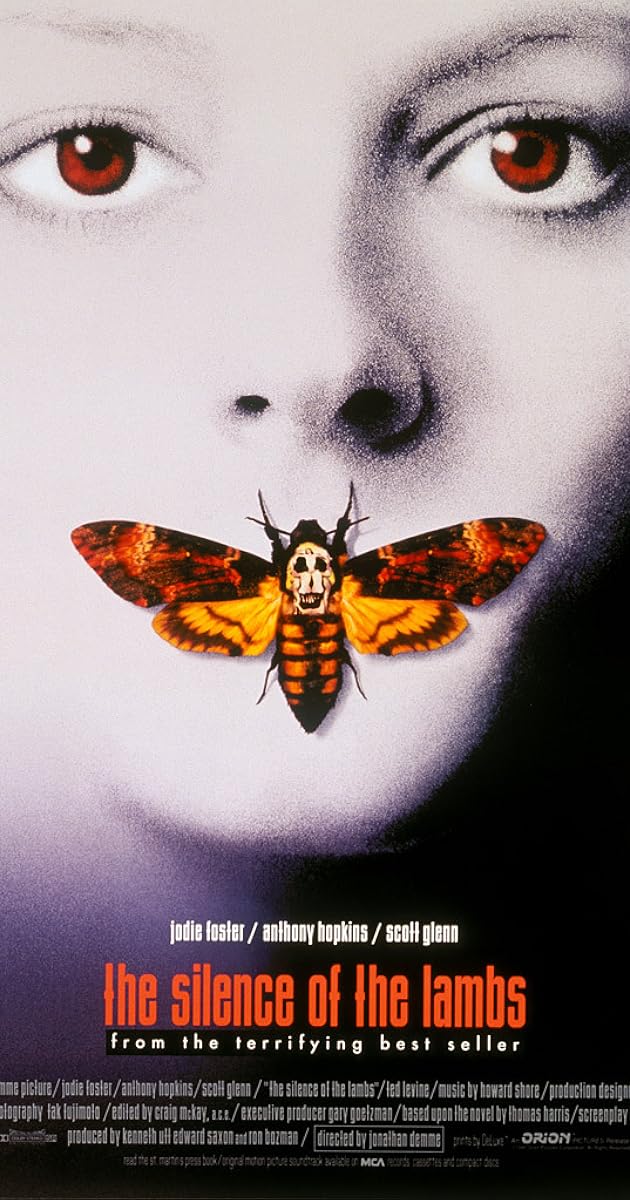
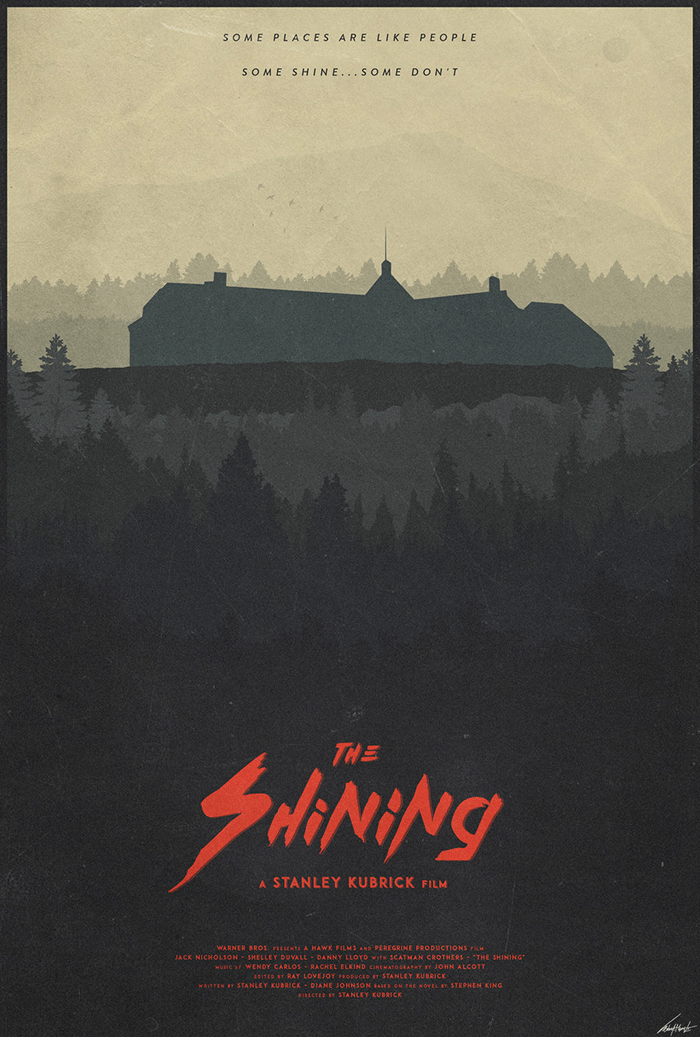
Psychological horror aims to create discomfort by exposing common or universal physiological and emotional vulnerabilities/fears and revealing the darker parts of the human psyche that most people repress or deny. The story-line differs from a typical horror as typically the source of the fear is something material, such as creatures, monsters or aliens so creates tension as they seem to be more realistic than most and at times can be confusing but the sense of disillusion creates atmosphere and discomfort within the audience as the character's minds spiral out of control. Films such as Silence of the lambs and the shining are examples of psychological horror and both feature psychopathic people. The main story-line can range from being about a paranoid individual to a whole group of people. Flashbacks can also be incorporated to convey how the characters life was like before but also explain to the audience what happened to them.
Characters
Character and state of mind are also vital as the plot entirely relies on them and the emotional and mental developments of characters in a psychological horror must always be plausible and believable, even when they are outrageous such as a child becoming a murderer or comes as a surprise such as the protagonist being revealed to be insane. Surprises in fiction must never take readers or watchers aback, their purpose is to stir and stimulate re-evaluation, and they must always seem absolutely logical and inevitable in retrospect. Children are most commonly used in this genre as children are defined as innocent so tricks the audience into believing that. Characteristics can range from paranoia to madness but the character can also look normal but really are mentally impaired and begin to show that as the story-line progresses so gives the audience a calm and relaxed fell to the character to then in turn destroy that feeling later on in the film examples of this would be films such as Silence of the lambs or the Shining.
Sunday, 22 January 2017
Sound/Music of Psychological Horror Films
Sound/Music
Non-diegetic sound is sound that cannot be seen or thought by a character, for example like a door creaking or foot steps off screen. Diegetic sound is sound that can be seen for example talking. Often contrapuntal sound is used in psychological horror as it matches with the aim and the theme of the film; to mess with the minds of the audience watching. Contrapuntal sound is music or sound that does not match with the action on screen (e.g. happy music during a horror scene).
Music used in psychological films tends to be instrumental or classical music as it gives off an eerie atmosphere which fits with the genre of the film
Non-diegetic sound is sound that cannot be seen or thought by a character, for example like a door creaking or foot steps off screen. Diegetic sound is sound that can be seen for example talking. Often contrapuntal sound is used in psychological horror as it matches with the aim and the theme of the film; to mess with the minds of the audience watching. Contrapuntal sound is music or sound that does not match with the action on screen (e.g. happy music during a horror scene).
Music used in psychological films tends to be instrumental or classical music as it gives off an eerie atmosphere which fits with the genre of the film
Editing and Camerawork of Psychological Horror Films
Editing
Editing in psychological horror films are a mix between fast-pace editing and slow-pace editing, each of these editing techniques emphasise a range of different things throughout the films. Fast-pace editing is used to emphasise the drama that is currently happening or to even show multiple things in just a few seconds. Whereas slow-pace editing is more commonly used to emphasise emotion and the drama that is about to unfold, the aim of this type of editing is to build tension and suspense between a film and its audience. Jump cuts and CGI are very common editing techniques in this genre of film as they make the situation seem much more dramatic and scary.
Camerawork
One type of camera work that is becoming increasingly popular is hand-held cameras. This technique is used to make the scene look like it is being filmed through a hand-held camera. The reason it has recently become popular is because it suits this genre well as it looks extremely realistic. It increases the fear of the audience as it makes them think it could happen to them one day. Another popular shot type is a close up shot, which shows the facial expressions of the characters.

Editing in psychological horror films are a mix between fast-pace editing and slow-pace editing, each of these editing techniques emphasise a range of different things throughout the films. Fast-pace editing is used to emphasise the drama that is currently happening or to even show multiple things in just a few seconds. Whereas slow-pace editing is more commonly used to emphasise emotion and the drama that is about to unfold, the aim of this type of editing is to build tension and suspense between a film and its audience. Jump cuts and CGI are very common editing techniques in this genre of film as they make the situation seem much more dramatic and scary.
Camerawork
One type of camera work that is becoming increasingly popular is hand-held cameras. This technique is used to make the scene look like it is being filmed through a hand-held camera. The reason it has recently become popular is because it suits this genre well as it looks extremely realistic. It increases the fear of the audience as it makes them think it could happen to them one day. Another popular shot type is a close up shot, which shows the facial expressions of the characters.

Settings and Iconography from Psychological Horror Films
Settings
Settings of the sub-genre Psychological horror tend to be very similar to the main genre Horror.Dark places are well common in these types of films as it creates a sense of fear due to not being able to see things properly. Graveyards, woodlands,asylums, hospitals and houses that people have previously been killed in are very popular settings in this genre as they create a sense of realism which increases the fear in the audience as they can picture themselves in that place.

 Iconography
The purpose of iconography is to keep the audience alert. Props of this genre tend to be quite limited as the main convention of the film is to explore the characters mind. Weapons are changed to more jumpy moments, these jump moments are a key convention of horror films in general. Symbols of religion and death play a big part in psychological horror films this is because religion is well known for its themes of spirituality, life and death and man playing god. Good vs Evil is a large influence of psychological horror films as most of the films from this genre fight evil with good. Good is a large influence of religion also, therefore religion correlates with the themes of psychological horror.
Props in these films tend to be normal day to day items as the films aim to trick the audience into thinking that the characters are leading a normal lifestyle.
Settings of the sub-genre Psychological horror tend to be very similar to the main genre Horror.Dark places are well common in these types of films as it creates a sense of fear due to not being able to see things properly. Graveyards, woodlands,asylums, hospitals and houses that people have previously been killed in are very popular settings in this genre as they create a sense of realism which increases the fear in the audience as they can picture themselves in that place.

 Iconography
 The purpose of iconography is to keep the audience alert. Props of this genre tend to be quite limited as the main convention of the film is to explore the characters mind. Weapons are changed to more jumpy moments, these jump moments are a key convention of horror films in general. Symbols of religion and death play a big part in psychological horror films this is because religion is well known for its themes of spirituality, life and death and man playing god. Good vs Evil is a large influence of psychological horror films as most of the films from this genre fight evil with good. Good is a large influence of religion also, therefore religion correlates with the themes of psychological horror.
Props in these films tend to be normal day to day items as the films aim to trick the audience into thinking that the characters are leading a normal lifestyle.
Storylines and Characters from Psychological Horror Films
Story lines
Story lines from psychological horror films often tend to be based on true events as they are deemed more realistic. However, sometimes these true events are slightly exaggerated. These films usually have the same familiar story line as they explore the mind of characters who are not mentally stable. Story lines of this genre are usually described as evil that hides in normality. Many of these films are based on a family that experiences some sort of paranoia with one family member. The main aim of a story line for a psychological horror film is to create a sense of discomfort by exposing the fears of the target audience. They do this by focusing on the mental conflict of one individual character whilst the story line chases their mind throughout the film. Most films from this genre include flashbacks to incorporate the past and what the characters life was like before their mental state had changed.
Characters
Characters and story lines of these films go hand in hand,the characters in psychological films tend to explore the inner conflict of the main character and there unstable mental state. Children are one of the most often used characters in this genre of film as it creates more fear in the audience. Some common characteristics are suspicion, revenge, paranoia and self-doubt. Generally, the main character tends to appear extremely normal at the start of the film with no physical signs of the characters mental state changing. This in turn makes the audience think the character leads a normal life with nothing out of the ordinary happening. Therefore, when the main characters mental state starts to show obvious changes it messes with the audiences heads, consequently adding to the psychological aspect of the film.


Story lines from psychological horror films often tend to be based on true events as they are deemed more realistic. However, sometimes these true events are slightly exaggerated. These films usually have the same familiar story line as they explore the mind of characters who are not mentally stable. Story lines of this genre are usually described as evil that hides in normality. Many of these films are based on a family that experiences some sort of paranoia with one family member. The main aim of a story line for a psychological horror film is to create a sense of discomfort by exposing the fears of the target audience. They do this by focusing on the mental conflict of one individual character whilst the story line chases their mind throughout the film. Most films from this genre include flashbacks to incorporate the past and what the characters life was like before their mental state had changed.
Characters
Characters and story lines of these films go hand in hand,the characters in psychological films tend to explore the inner conflict of the main character and there unstable mental state. Children are one of the most often used characters in this genre of film as it creates more fear in the audience. Some common characteristics are suspicion, revenge, paranoia and self-doubt. Generally, the main character tends to appear extremely normal at the start of the film with no physical signs of the characters mental state changing. This in turn makes the audience think the character leads a normal life with nothing out of the ordinary happening. Therefore, when the main characters mental state starts to show obvious changes it messes with the audiences heads, consequently adding to the psychological aspect of the film.


Wednesday, 18 January 2017


Thursday, 5 January 2017
Subscribe to:
Comments (Atom)