
Story lines and characters in physiological horror
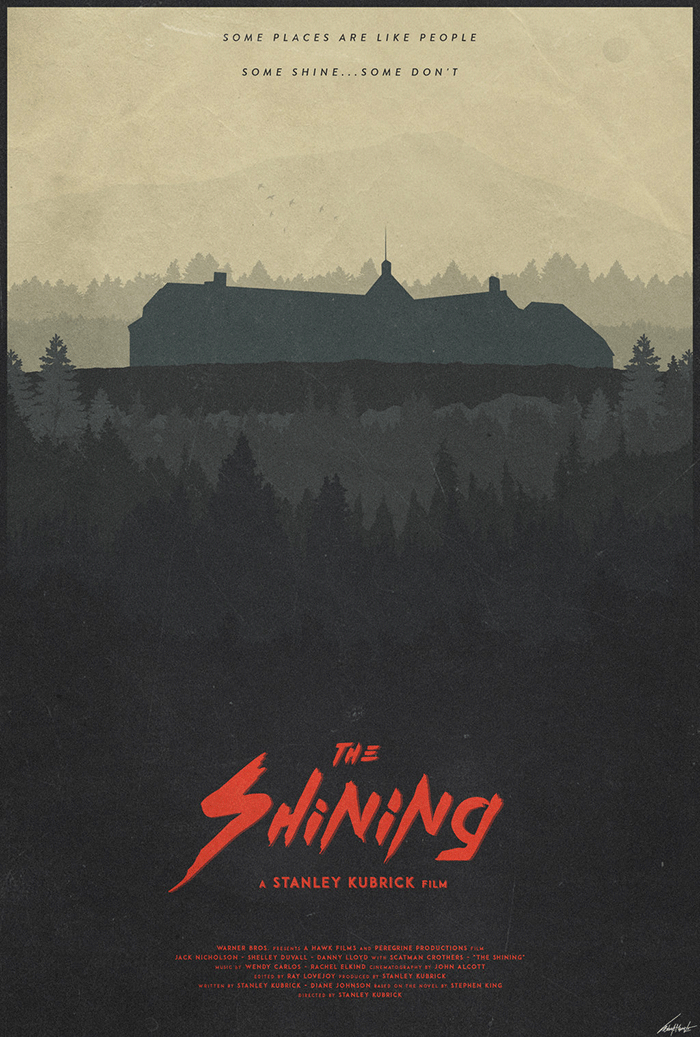
Psychological horror aims to create discomfort by exposing common or universal physiological and emotional vulnerabilities/fears and revealing the darker parts of the human psyche that most people repress or deny. The story-line differs from a typical horror as typically the source of the fear is something material, such as creatures, monsters or aliens so creates tension as they seem to be more realistic than most and at times can be confusing but the sense of disillusion creates atmosphere and discomfort within the audience as the character's minds spiral out of control. Films such as Silence of the lambs and the shining are examples of psychological horror and both feature psychopathic people. The main story-line can range from being about a paranoid individual to a whole group of people. Flashbacks can also be incorporated to convey how the characters life was like before but also explain to the audience what happened to them.
Characters
Character and state of mind are also vital as the plot entirely relies on them and the emotional and mental developments of characters in a psychological horror must always be plausible and believable, even when they are outrageous such as a child becoming a murderer or comes as a surprise such as the protagonist being revealed to be insane. Surprises in fiction must never take readers or watchers aback, their purpose is to stir and stimulate re-evaluation, and they must always seem absolutely logical and inevitable in retrospect. Children are most commonly used in this genre as children are defined as innocent so tricks the audience into believing that. Characteristics can range from paranoia to madness but the character can also look normal but really are mentally impaired and begin to show that as the story-line progresses so gives the audience a calm and relaxed fell to the character to then in turn destroy that feeling later on in the film examples of this would be films such as Silence of the lambs or the Shining.


No comments:
Post a Comment